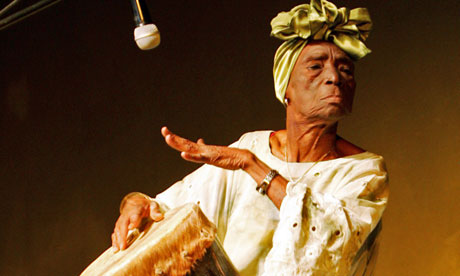
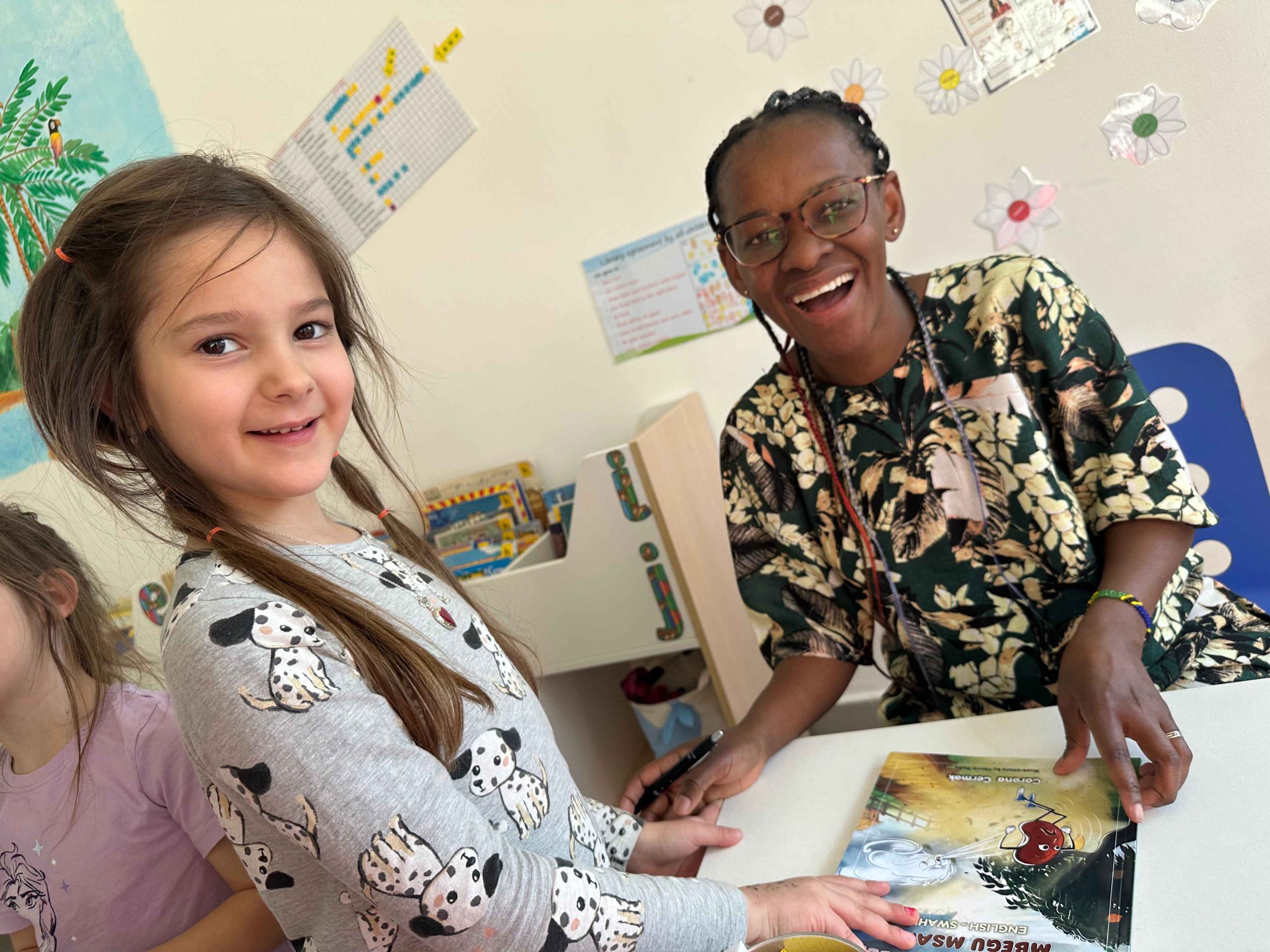
It is easy to exclude, mislead and exploit people who are illiterate, or incapable of reading and writing. This is because of the limited nature of their access to information and knowledge which is a basis for civic participation, democratic engagement and informed decision-making. This is where illiteracy becomes an enemy to be fought will all our possible means.
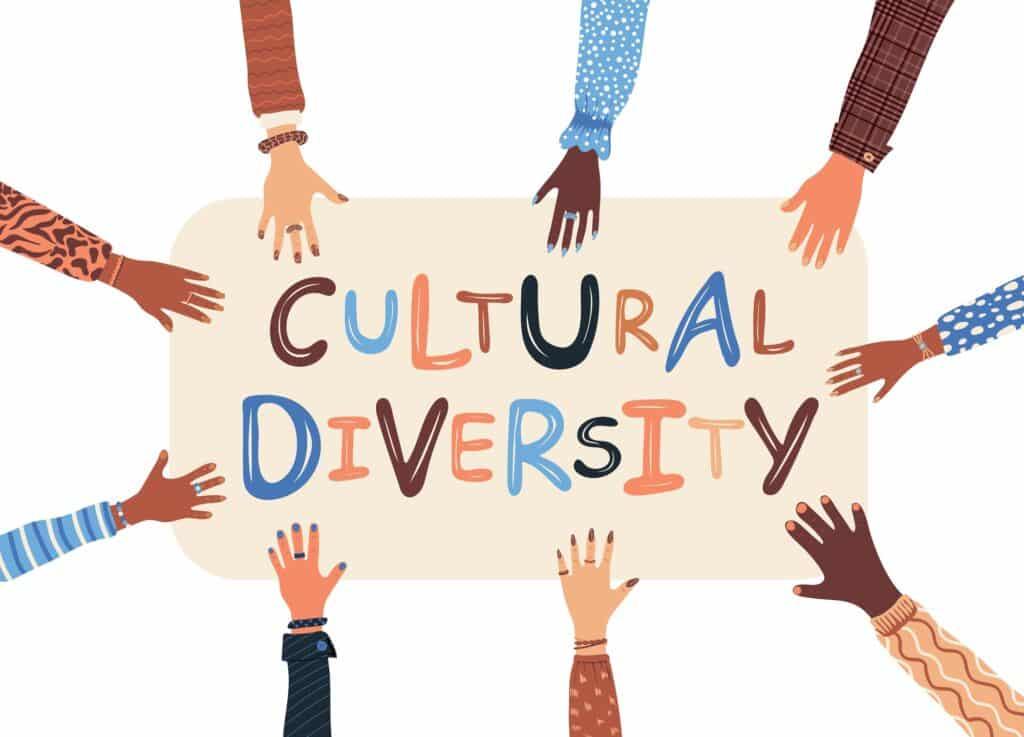
Making education subservient to the formative needs of the entirety of the human person as a culturally rooted being who lives in society is restoring its true meaning. Consideration of internal migration in the country is also crucial in education delivery and content as it anticipates how other cultures are intermixing, others left behind, and others affecting each other.

Culturelessness is irreparable, as tradition dies. Tradition, coming from Latin ‘traditio’ means ‘to hand-over’ or ‘to pass on’. There will be nothing to hand over in a few generations to come if our young people have no cultural roots that they identify with and have an envious and proud sentiment for.

Early childhood shapes the foundation for emotional, cognitive, and social growth, yet many Tanzanian children grow up without active fathers, especially in low-income and single-parent households. Studies reveal that over half of Tanzanian children experience developmental delays, while 80 percent of single parents are mothers. Experts stress that fatherhood is irreplaceable in shaping confidence, identity, and moral values. Promoting gender equality and child well-being, therefore, requires redefining fatherhood and strengthening men’s engagement in parenting from the earliest years.

rom our cultural philosophies, at least shared across the people of African origin, both those within the continent and those in diaspora, the sense of community is deep and strong; as the Ubuntu philosophy for example says “I am because we are.”

When young people are taught that this is our way of life they grow with a reflection to own this new sense of being as a backdrop and a springboard from which they bounce as well as make sense of their life.

When the system has poor incentives to guide young people to be productive and engaged in the society, even after they have been integrally formed well in their homes they can lose it all as they switch into the survival mode of the streets.

Countries with lowest crime rates have the best job security as well. In Tanzania, many individuals currently in correctional facilities (prisons) might not be there if meaningful employment opportunities had been available. It is a big problem to accept our kind of frustrating joblessness as a social dynamic, even among those who are educated.

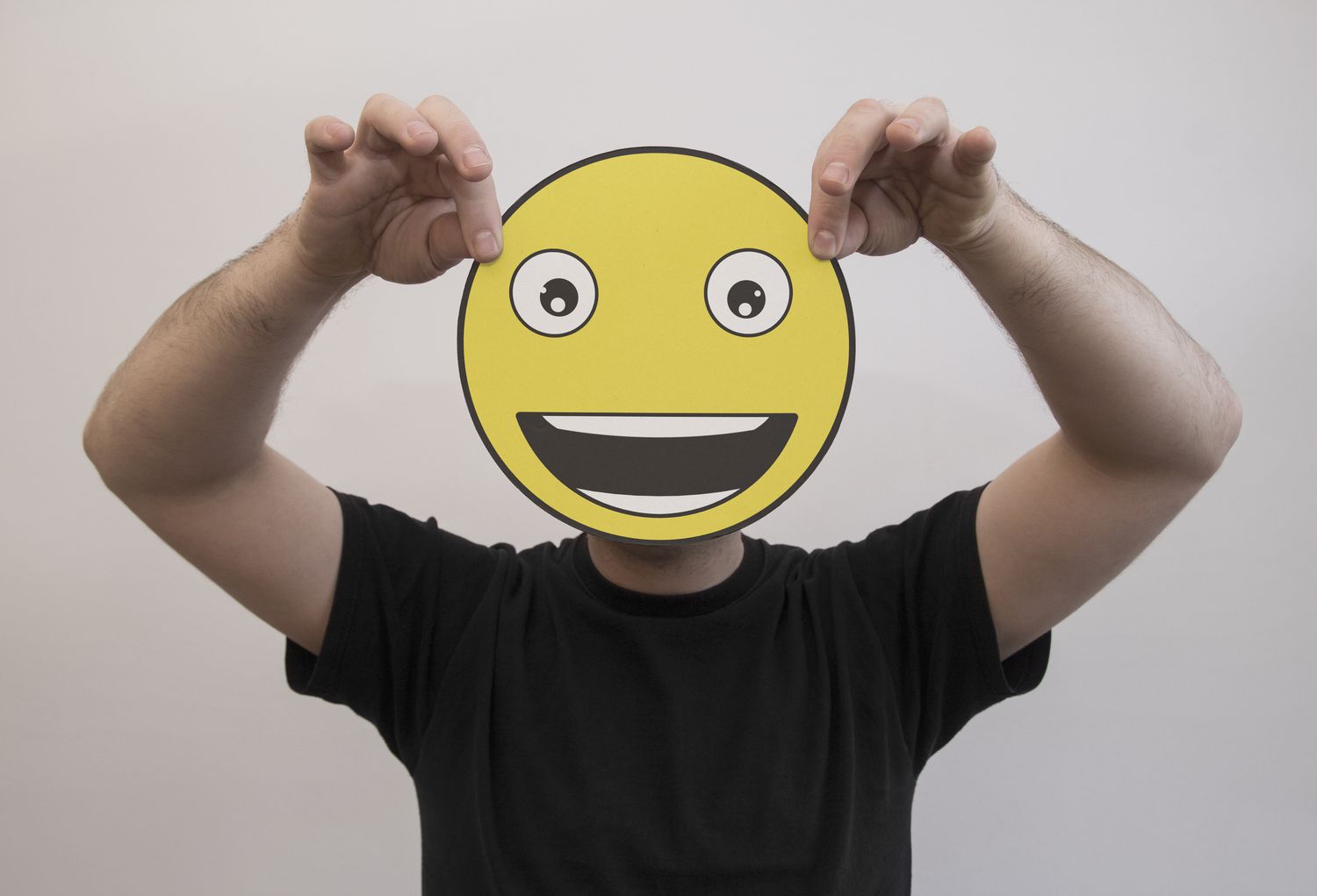
With the widespread use of computer mediated communication devices and these emojis, it is worth exploring how much, or rather in what ways, our emotional communication is influenced by emojis. Most emotion related emojis and emoticons (emotional icons) communicate these emotions only in a general sense and cannot really touch the unexplored territories of dynamic human emotions and feelings.

Poetry is beyond rhymes and play of words, it is an art that enables poets to express carefully deeper thoughts and meaningful mental constructions which simple conversational words cannot present sufficiently. It is an art because we enjoy its richness especially as it informs both the society about itself and the outside world, and the world about itself and in relation to that particular society, respectively, in an inward and outward dynamic.

With language as the vehicle and safeguard for the treasures in poetry, it follows that when a language is polluted, there will be repercussions in the poetry of that language, and in the understanding of the corpus of poetry that has lived generations before such pollutions. Dynamics of languages are diverse and are often irreversible if appropriate action is not taken.

My African heritage plays a crucial role in my storytelling. My Swahili culture and language largely constitutes my identity as a storyteller. ven though my children are half Czech, and half Tanzanian, they are blended in both cultures in a beautiful way. I believed by them having Swahili language and cultural awareness they will appreciate more the half of who they are, and be happy and free, when they visit Tanzania.